
Зміст
Unpack With Space to Work
The first week with a Hoverfly T3 should focus on careful setup and low pressure practice. Choose a level area with good lighting and enough room to place packaging aside without blocking a walkway. Compare the contents with the current manual and product information before discarding boxes or protective material. Inspect the scooter for visible shipping damage and confirm that the seat, basket, charger, and required components are present. If anything appears incorrect, document it and contact the seller before using the scooter.
Learn the Specifications That Affect Handling
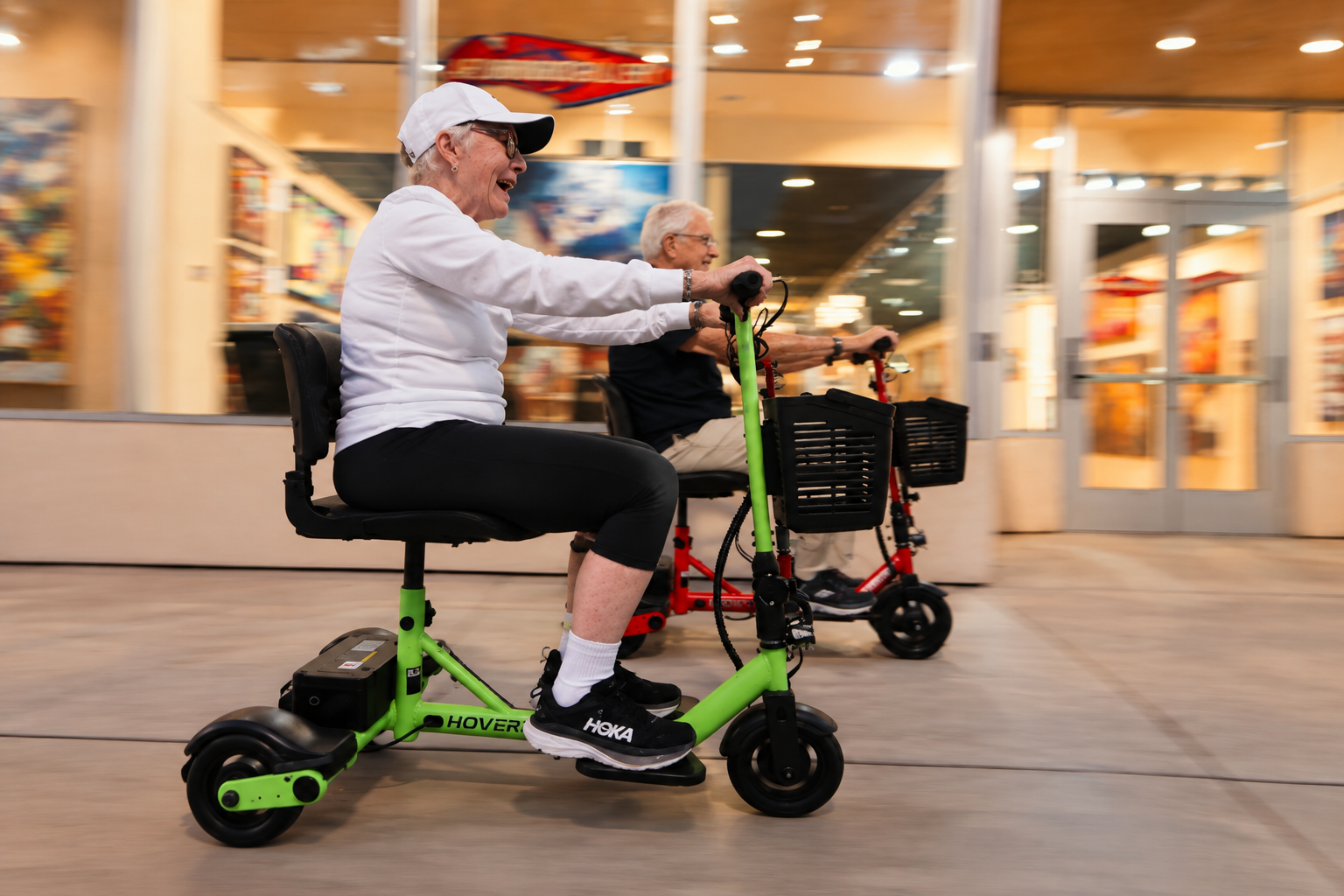
The T3 is listed at 61 pounds, with a 330 pound capacity, a maximum range of 13 miles, and a top speed of approximately 3.75 mph. It uses a 200 watt brushless motor and a 25.6 volt 8 amp hour lithium iron phosphate battery. These numbers set expectations but do not teach control. Read how the thumb throttle, speed settings, forward and reverse functions, and braking system operate. Keep the manual nearby during the first sessions so questions are answered from model specific instructions.
Adjust the Seat and Riding Position
The product page lists a three position height adjustable seat. Select a position that supports secure transfers, comfortable knee space, and an unobstructed reach to the tiller. The rider should be able to sit centered with both feet supported and shoulders relaxed. Check that clothing, bags, or medical equipment cannot catch on moving parts or controls. Make one adjustment at a time and test it at low speed. A position that feels acceptable while stationary may need refinement after several minutes of driving.

Practice Core Maneuvers
Begin with powering on and off, then practice straight starts and controlled stops. Add wide turns, tighter turns at low speed, and gentle reversing only after the rider is comfortable. Use cones or household markers to simulate doorways without risking walls or furniture. Slow down before turning and keep the body centered. Practice approaching a stopping point without abrupt input. The aim is not speed or distance; it is to make the scooter’s response familiar enough that the rider can devote attention to the environment.
For current product details, review hoverfly t3 on the official Hoverfly page.
Rehearse Folding and Transport
The T3 folds to approximately 39.37 by 26.97 by 17.91 inches. Follow the manual’s folding order and identify every pinch point before repeating the process. Because the scooter weighs 61 pounds, decide in advance whether one person can handle the lift safely. Practice beside the intended vehicle, measure the trunk opening, and secure the folded unit so it cannot move during travel. Do not add a busy appointment to the first loading attempt. Repetition at home makes later outings calmer.
Finish the Week With a Short Real Trip
After several successful practice sessions, choose a familiar destination with level access, predictable surfaces, and a short total distance. Plan a battery reserve and avoid peak crowds. Bring a phone and, if appropriate, a companion who understands how to help without distracting the rider. Afterward, note any difficulty with doors, turns, comfort, controls, or loading. The first week is successful when it produces a safe repeatable routine, not when the rider covers the greatest possible distance.
Practical Takeaway
At the end of the first week, repeat the same practice course used on day one. The rider can compare turning, stopping, reverse control, and confidence without adding a new environment. Check whether the seat position still feels right and whether any step in folding or charging remains uncertain. Write down questions for customer support or a mobility professional. A structured review makes progress visible and identifies the next skill to practice before the scooter is used in busier places.

